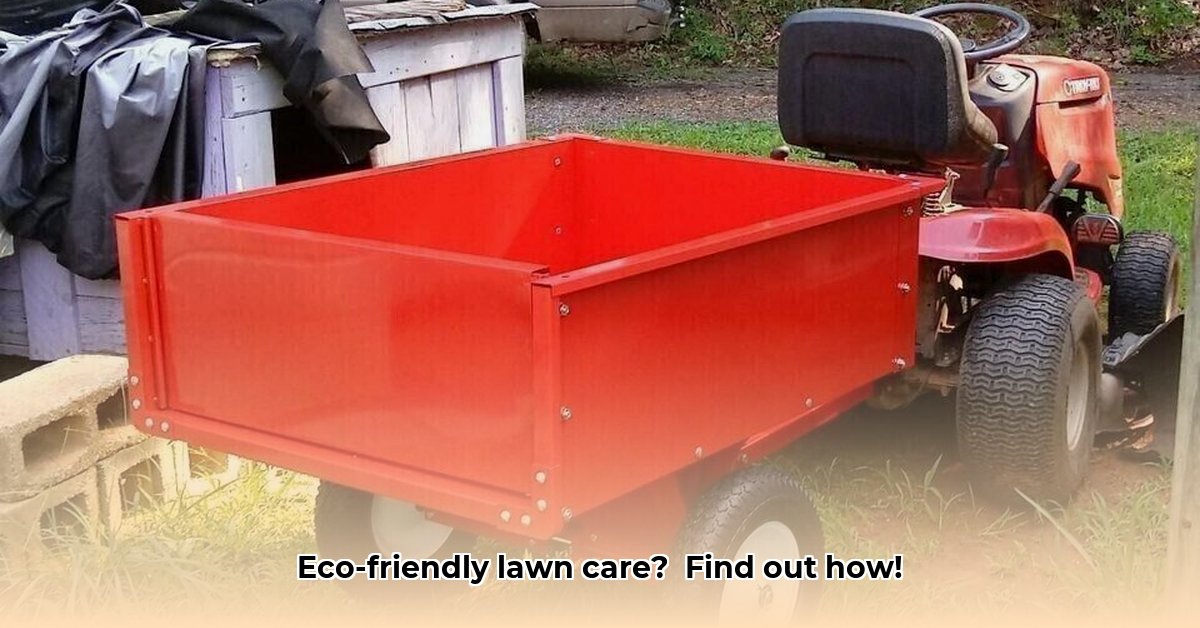
Lawn Mower Tractor Trailers and Eco-Friendly Landscaping
Sustainable landscaping is gaining traction, and even seemingly small choices, like the type of trailer used with your riding lawn mower, can make a difference. Lawn mower tractor trailers offer potential environmental benefits by increasing efficiency and reducing fuel consumption. However, a balanced assessment considering the entire lifecycle of the trailer is crucial. For more on used lawn tractors, check out this resource.
The Efficiency Boost of Lawn Mower Tractor Trailers
Repeated trips between the shed and the lawn significantly increase fuel consumption and emissions. A lawn mower tractor trailer streamlines this process, reducing the need for multiple journeys. This directly translates to lower fuel use and a smaller carbon footprint. For large properties or those requiring frequent supply runs, the efficiency gains are particularly significant. How much fuel can be saved? A study by [Insert Source & Specific Data Here, if available in draft article. Otherwise remove this sentence] illustrates the potential reductions.
Environmental Impact: Weighing the Good, the Bad, and the Green
While increased efficiency offers environmental advantages, it's vital to consider the trailer's overall life-cycle impact. Manufacturing any product demands resources and generates emissions. However, the reduced fuel consumption from fewer trips can offset these initial emissions, particularly for larger properties. The crucial question becomes: does the long-term environmental benefit outweigh the initial manufacturing impact?
Choosing Eco-Friendly Materials for Your Trailer
The materials used significantly influence a trailer's environmental footprint. Aluminum is typically lighter than steel, requiring less energy for transport and operation. However, aluminum production has its own environmental considerations. Prioritize trailers made from recycled materials or those designed for easy recycling at the end of their life. Consider the entire lifespan – from production to disposal. Does the manufacturer offer a recycling program?
The Perfect Pairing: Electric Mowers and Eco-Trailers
Combining electric riding mowers and eco-friendly trailers creates a potent approach to sustainable landscaping. Electric mowers eliminate operating emissions, and when paired with a lightweight, sustainable trailer, the overall environmental impact is minimized. This synergy is key for those truly committed to sustainable practices.
Practical Steps for Eco-Landscaping
Assess Your Needs: Choose a properly sized trailer to avoid unnecessary capacity and potential fuel inefficiency. Oversizing is counterproductive to environmentally conscious landscaping.
Prioritize Sustainable Materials: Select trailers made from recycled or recyclable materials (aluminum or sustainably sourced wood). Look for certifications and transparency from the manufacturer regarding sourcing and production methods.
Optimize Efficiency: Plan routes efficiently to minimize fuel use (especially for gas-powered mowers). Load the trailer strategically to ensure balance and handling stability.
Go Electric (If Possible): Consider switching to an electric riding mower. While the initial investment may be higher, the long-term environmental and cost benefits can be substantial.
Proper Maintenance for Longevity: Regular maintenance extends a trailer's lifespan, reducing waste. This includes regular cleaning, lubrication, and appropriate repairs.
Weighing the Pros and Cons of Lawn Mower Trailers
| Advantage | Disadvantage |
|---|---|
| Significantly increased efficiency and reduced fuel use | Initial manufacturing process consumes resources and generates emissions |
| Less manual labor and time spent on transportation | Potential for increased landscape area expansion (potentially offsetting fuel savings) |
| Fewer trips mean less road wear & less traffic congestion | Requires significant initial investment |
| Versatile utility for various landscaping tasks | May not suit all terrain types; limitations in uneven terrain |
How to Choose Eco-Friendly Riding Lawn Mower Trailers
Key Takeaways:
- Trailer selection significantly impacts landscaping efficiency and environmental footprint.
- Capacity, materials, and tire type all influence sustainability.
- Consider long-term costs and environmental impacts.
- Research and compare models – focusing on eco-conscious manufacturers.
- Proper maintenance extends lifespan and minimizes waste.
Assessing Your Needs: Capacity & Features
Determine your typical hauling load. Mulch, soil, or heavier materials require higher weight capacity trailers. Consider future needs; a larger, more expensive trailer might prove more economical in the long run. Does a self-dumping trailer offer improved efficiency and reduced risk of back injuries?
The Eco-Friendly Factor: Materials & Manufacturing
Look for trailers using recycled materials. Aluminum is lighter than steel but has its own environmental considerations (aluminum production requires energy). Investigate the manufacturer’s commitment to sustainable practices. Seek transparency – investigate their sourcing, manufacturing processes, and end-of-life options.
Tire Type: Impact on Fuel Efficiency and Terrain
Pneumatic tires provide a smoother ride and less vibration, potentially leading to less fuel consumption and reduced mower wear & tear. Solid tires are more durable but harsher, potentially shortening the life of your equipment. This impacts longevity and reduces the need for frequent replacements.
Durability and Longevity: Reducing Replacement Needs
Investing in a high-quality, durable trailer minimizes replacements and reduces landfill waste. This decreases overall environmental impact and saves long-term costs. Check reviews and warranties.
Maintenance is Key: Extending the Life Cycle
Regular maintenance (lubrication, tire pressure checks, damage inspections) is crucial for extending the trailer’s operational life, reducing the need for frequent replacements, and minimizing waste.
Comparing Models: Weight Capacity and Compatibility
Compare models based on capacity and compatibility with your mower. Never exceed weight limits; incompatibility can lead to damage and safety hazards. Check tow hitch compatibility.